Technology spending is growing faster than most organizations can track it. Gartner expects worldwide IT spending to reach $6.31 trillion in 2026, up 13.5% from 2025. Every new SaaS subscription, cloud workload, telecom contract, mobile device and AI tool adds to the bill, and to the job of knowing who uses what, what it costs and whether it is still needed.
For CIOs, that makes technology spend management a leadership issue, not a back-office task. Boards and CFOs expect the CIO to explain where the money goes and to prove that it creates value.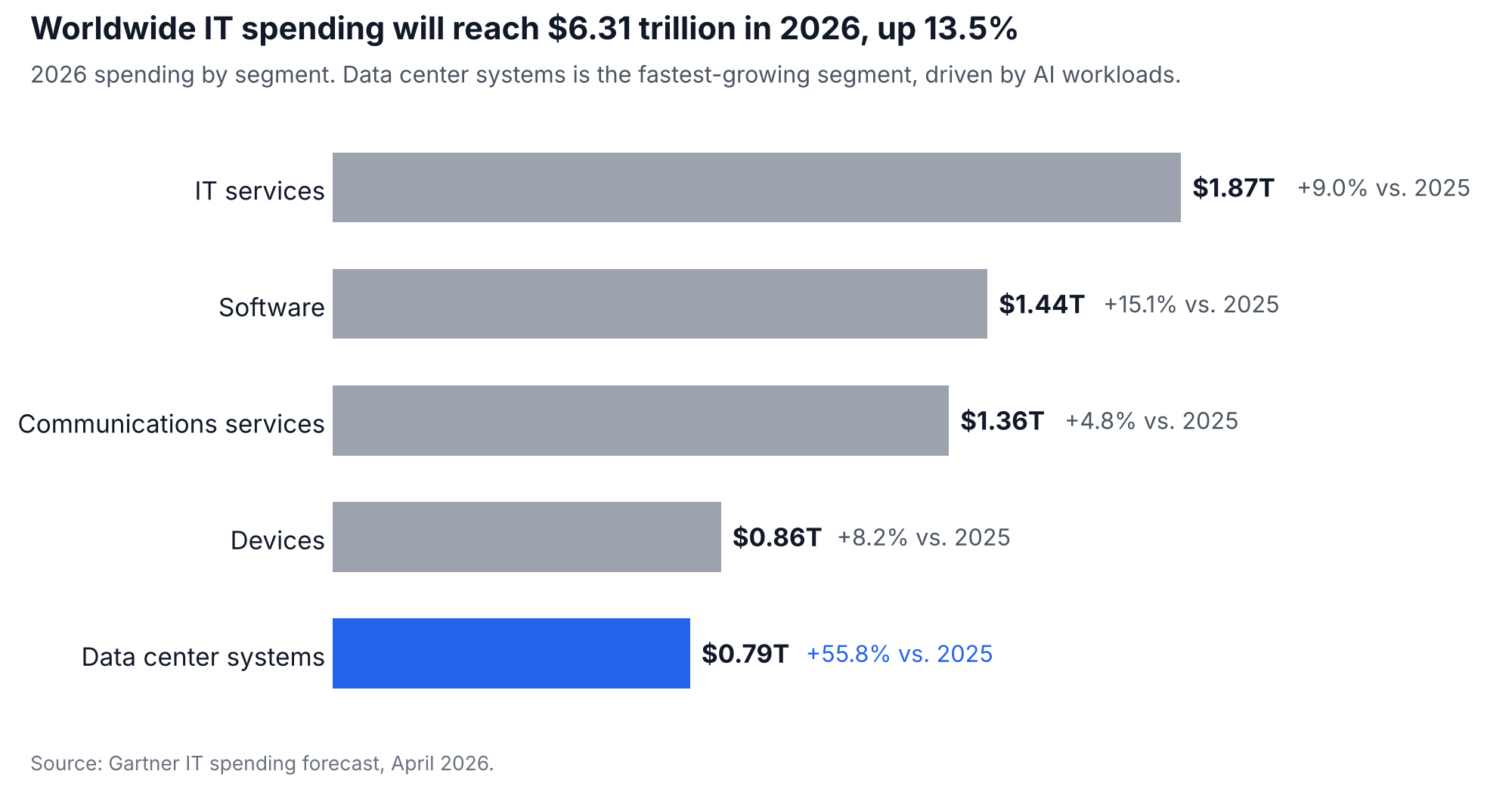
From Capex to Opex: Why Consumption Is Now the Hard Part
The shift from capital expense to operating expense is largely complete. Servers became cloud instances, software licenses became subscriptions, and phone systems became UCaaS seats. That shift brought flexibility, but it also moved spending from a few large, planned purchases to thousands of small, recurring ones that change every month.
The question for CIOs is no longer only what to buy. It is how to manage consumption: which services are in use, by whom, at what cost, and whether the organization is paying for more than it needs.
The Cost of Limited Visibility
Recent research shows how much spend slips through the cracks when visibility is limited:
- Cloud: Organizations estimate that 29% of their cloud spend is wasted, and that figure rose in 2026 for the first time in five years as AI workloads grew. Managing cloud spend is a major challenge for 85% of respondents (Flexera 2026 State of the Cloud Report).
- SaaS: The average organization uses only 54% of its SaaS licenses, leaving 46% unused and costing $19.8 million a year in wasted licenses (Zylo 2026 SaaS Management Index).
- Telecom and mobility: Carrier invoices remain complex, and billing errors, unused lines and devices assigned to departed employees continue to add up when no one reconciles them against inventory.
Despite this, many organizations still reconcile technology expenses with spreadsheets, email and separate tools for each category of spend. That slows month-end close, hides waste and makes accurate cost allocation nearly impossible.
Why Many Technology Expense Strategies Fall Short
Most organizations do not lack data. They lack connected data. Telecom invoices sit with one team, cloud bills with another, SaaS renewals with procurement, and device inventory in an ITSM tool. Each team sees part of the picture, and no one sees how inventory, consumption and cost relate to each other.
Buying a separate tool for each category often makes this worse. It adds more portals, more integrations to maintain and more reconciliation work, without producing a single answer to the question: what are we paying for, and is it being used?
A Lifecycle Approach on One Platform
A more effective strategy manages every technology asset and service through its full lifecycle on a single platform, from request and procurement through use, invoicing, optimization and retirement. The key capabilities are:
- Unified inventory: one record of every telecom service, mobile device, SaaS subscription, cloud account and IT asset, including where it is and who uses it.
- Automated invoice processing: ingesting and validating invoices from every vendor against contracts and inventory, without manual data entry.
- Usage and consumption tracking: comparing what is billed with what is actually used, so idle licenses, lines and resources can be reclaimed.
- Accurate cost allocation: charging costs back to the right departments, locations and projects automatically.
- Integration: connecting with ERP, ITSM, procurement and reporting tools such as Power BI, so data flows where teams already work.
Automation is what makes this practical at scale. AI-powered parsing and automated workflows can handle invoice ingestion, provisioning, contract checks and cost allocation, freeing IT and finance teams to focus on decisions instead of data entry.
What a Single View Gives the CIO
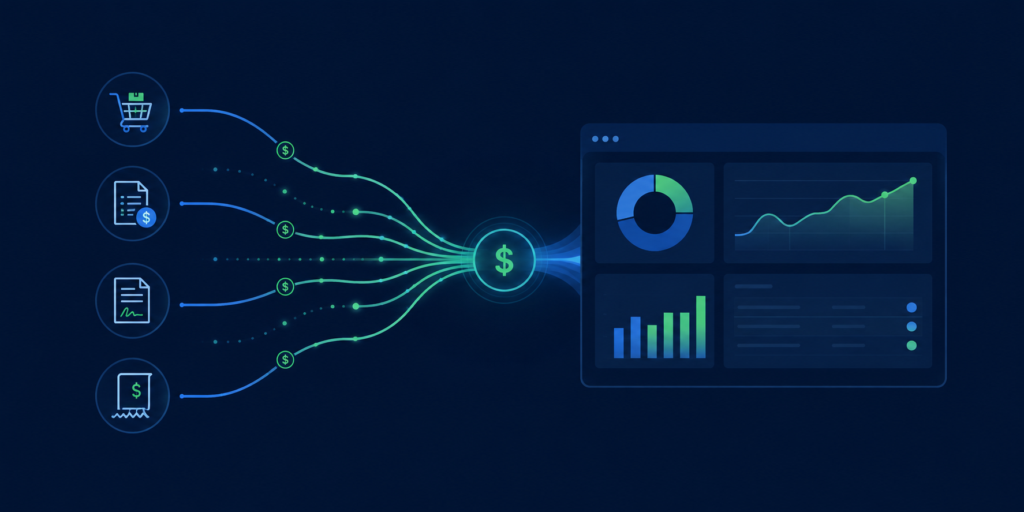
When inventory, consumption and cost live in one place, a CIO can see everything from the network edge to the cloud, from telecom and SaaS vendors down to the individual user. That makes it possible to:
- Answer the CFO’s questions about technology spend with current, reliable numbers.
- Find and remove waste in cloud, SaaS, telecom and mobility before renewals lock it in.
- Allocate costs fairly so business units see and own what they consume.
- Plan AI and cloud investments with a clear baseline of what the organization already pays for.
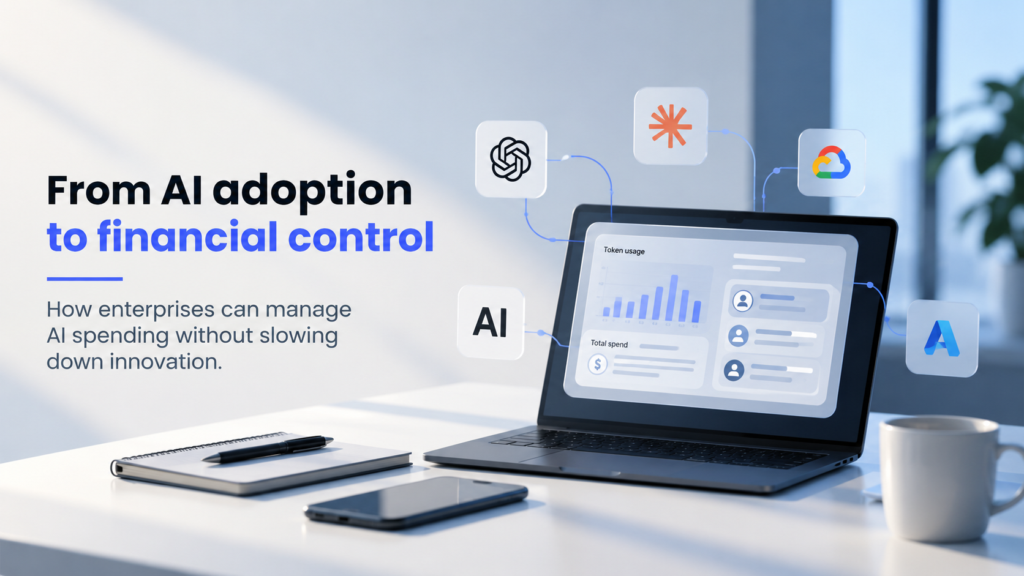
As AI adds a new and fast-growing layer of consumption-based spend, this visibility will only become more important.
How Asignet Helps
Asignet brings telecom, mobility, SaaS, cloud and IT spend onto one platform, linking every asset and service to its invoices, contracts and users. AI-powered automation handles invoice validation, inventory and cost allocation, and Asignet’s managed services team handles disputes and vendor interactions on your behalf.
Talk to Asignet about getting a single view of your technology spend.